Annual Events
Let’s Take a Short Walk: The Aio 88 Sacred Holy Places
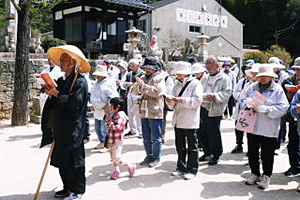
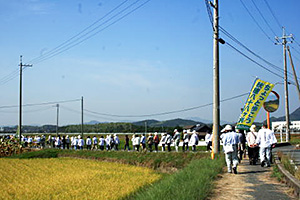
We visit The Aio 88 Sacred Holy Places and pray on the 21st of every month.
The full route is divided into 16 segments and participants walk the course while chanting the Heart Sutra.
- We will meet there, then split up.
- Those who want to participate are asked to check the schedule below and go there directly.
This pilgrimage has continued without interruption from the first walk in September 2005, through the 237th walk in November 2025.
For further details, please refer to Mr. Hiroaki Okada’s blog ’Let’s Take a Short Walk: The Aio 88 Sacred Holy Places’.
(External website)
ちょっと歩こう秋穂八十八ヶ所(17巡目)
(令和7年8月~令和8年11月)
改定 2025年8月21日
- 集合時間
- 13時
- 令和8年1月
- 仁光寺(86番)に各自で集合〔川土手に駐車〕
- 3ヶ所 86・85・84番をお参り
- 2月
- 草山公園入口(50番)に各自で集合
- 7ヶ所 50・20・19・16・47・13・14番をお参り
- 3月
- 水産種苗センター海岸に各自で集合
- 4ヶ所 23・22・21・81番をお参り
- 4月
- 朝日山駐車場に集合
- 4ヶ所 58・69・54・64番をお参り
- 5月
- 大海らんらんドームに各自で集合
- 2ヶ所 30・12番をお参り
- 6月
- 天田の公園に各自で集合
- 7ヶ所 6・7・8・9・4・5・10番をお参り
- 7月
- 朝日山駐車場に集合
- 7ヶ所 56・55・72・60・63・62・61番をお参り
- 8月
- 二島グレンプラザやまぐちに各自で集合
- 6ヶ所 74・75・76・77・78・79番をお参り
- 9月
- 黒潟公会堂(53番)に各自で集合
- 6ヶ所 53・52・3・32・40・49番をお参り
- 10月
- 二島公会堂に集合
- 4ヶ所 59・65・66・67番をお参り
- 11月
- 朝日山駐車場に集合
- 5ヶ所 73・71・68・70・57番をお参り
- 令和7年8月
- 正八幡宮に各自で集合
- 3ヶ所 1・88・87番をお参り
- 9月
- 秋穂の八坂神社に各自で集合
- 10ヶ所 29・41・33・27・34・35・36・31・26・25番をお参り
- 10月
- 岩屋山に各自で集合
- 3ヶ所 83・82・80番をお参り
- 11月
- 秋穂コミニテイーセンターに各自で集合
- 7ヶ所 28・17・18・24・37・38・39番をお参り
- 12月
- 長徳寺駐車場に各自で集合
- 10ヶ所 2・43・44・45・15・46・48・51・11・42番をお参り
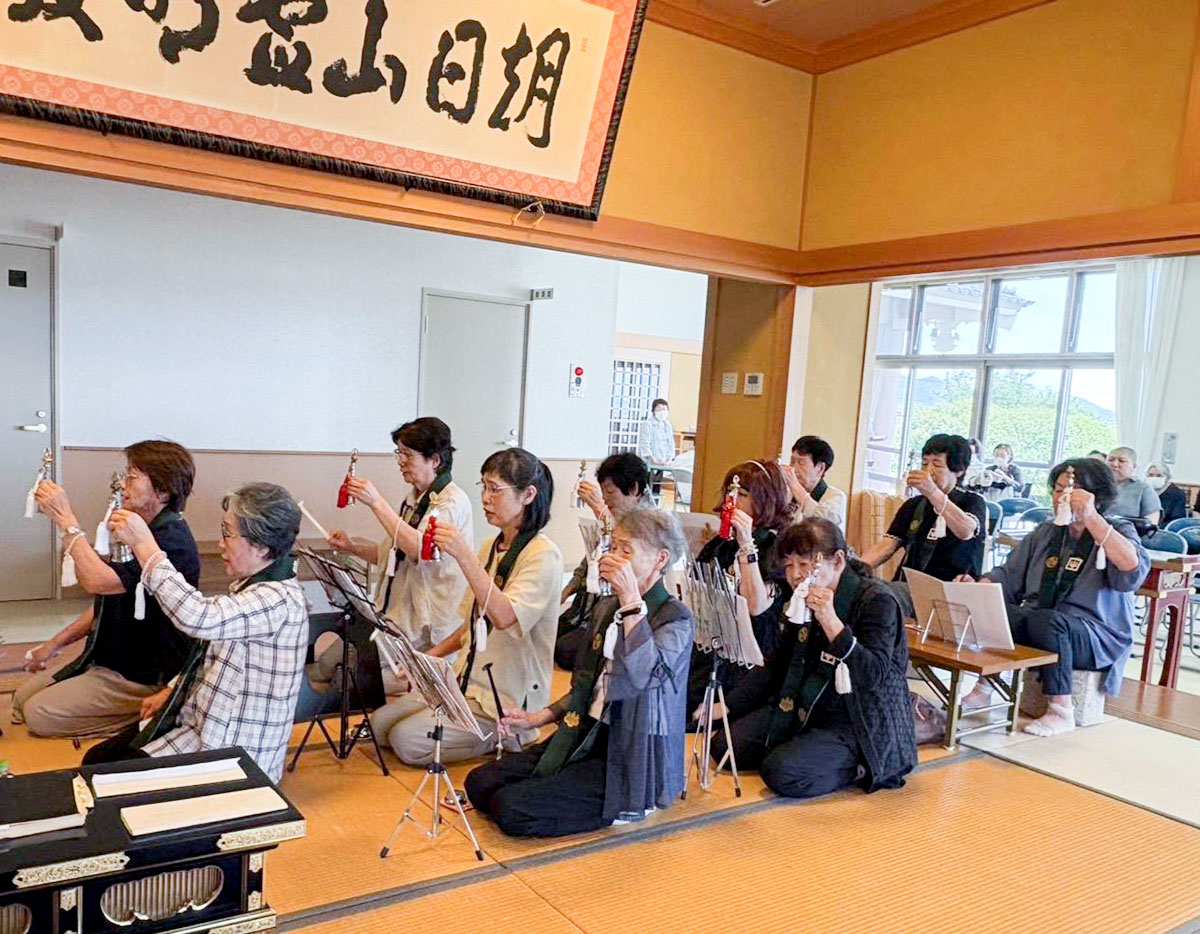
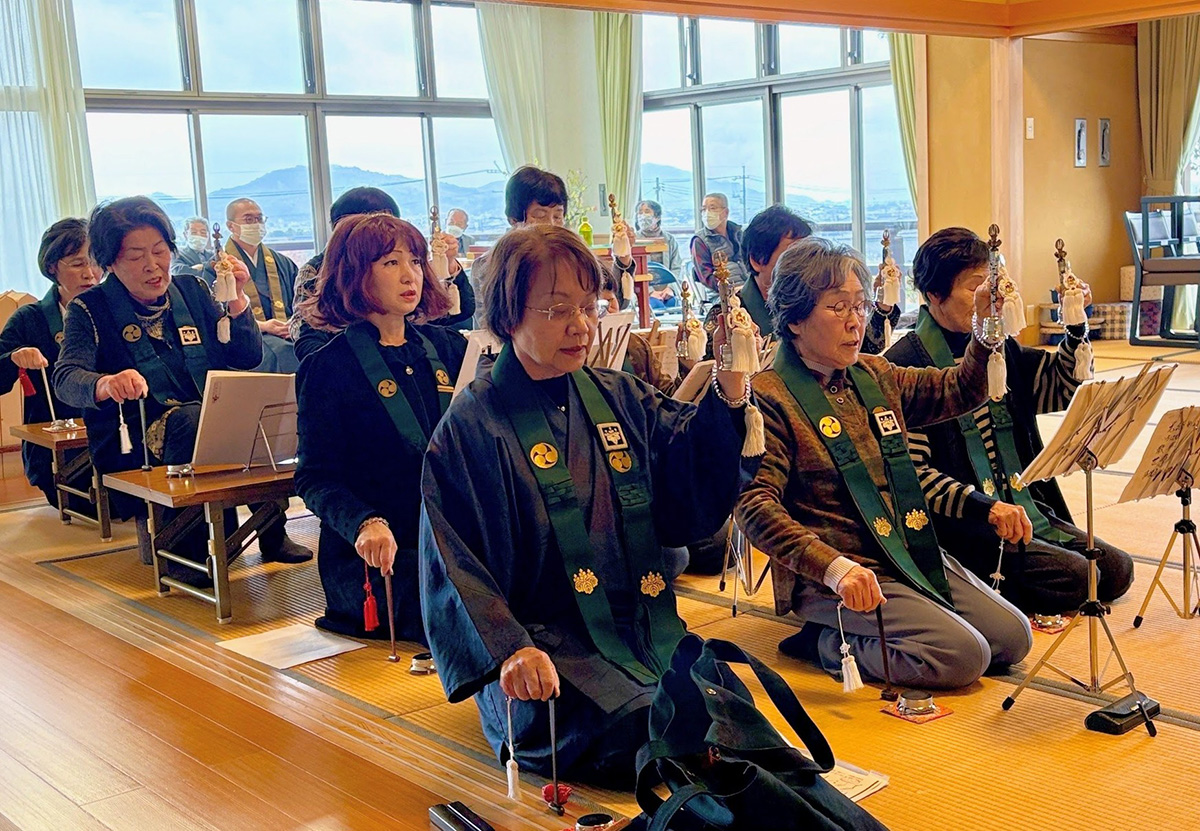
Kongo School Sect pilgrim hymn Class
The lessons are held three times a month. (Please refer to the calendar for schedule.)
Under the guidance of Mr. Jokaku Harada of Fukuraku Temple, we practice diligently.
At Shinshoin’s events, we sing sect pilgrim hymns that are suitable for each event.
Bamboo Grove Volunteer Group South of Yamaguchi
- Activity Days
- The first and third Sundays of each month, from 9:00 a.m. to 12:00 noon.
- Activity Area
- Based at Shinshoin, we work to preserve the local forest of Aio Futajima.
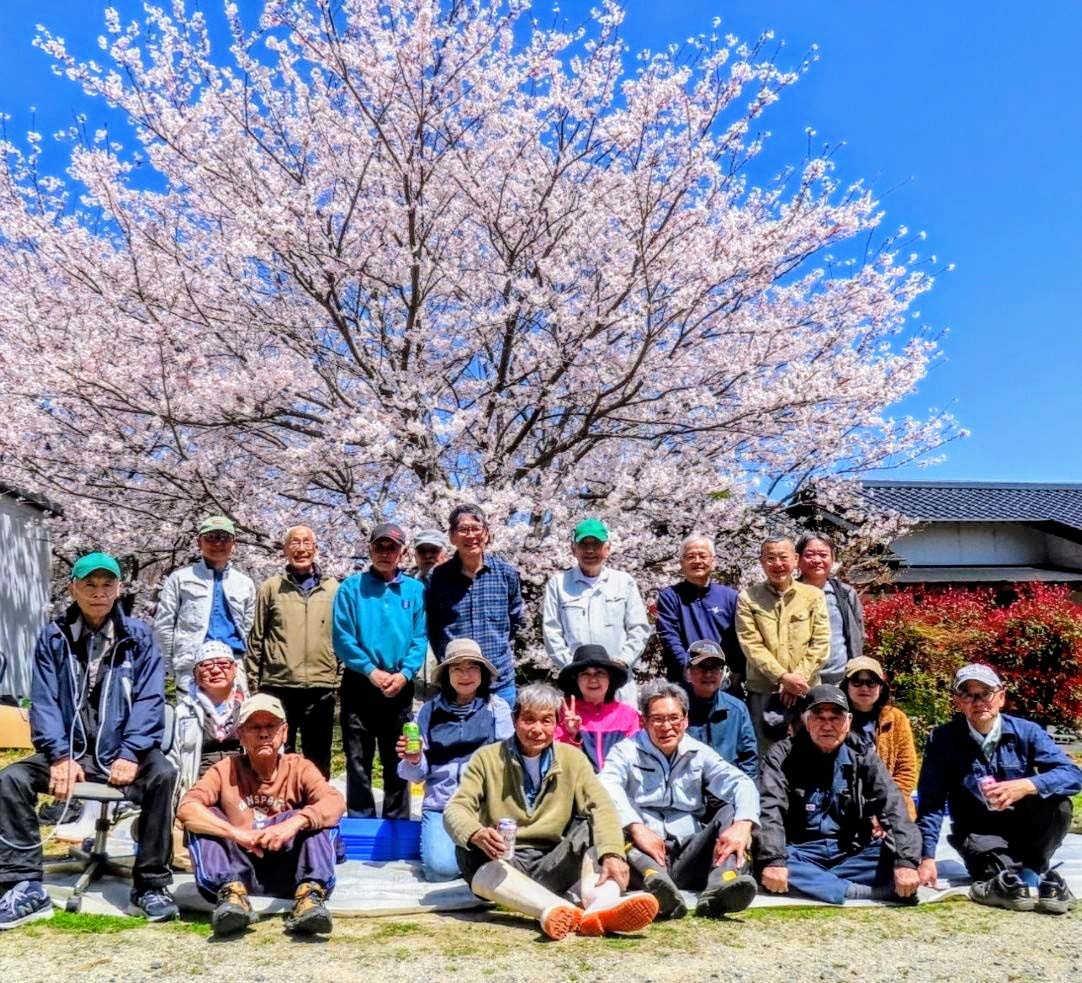
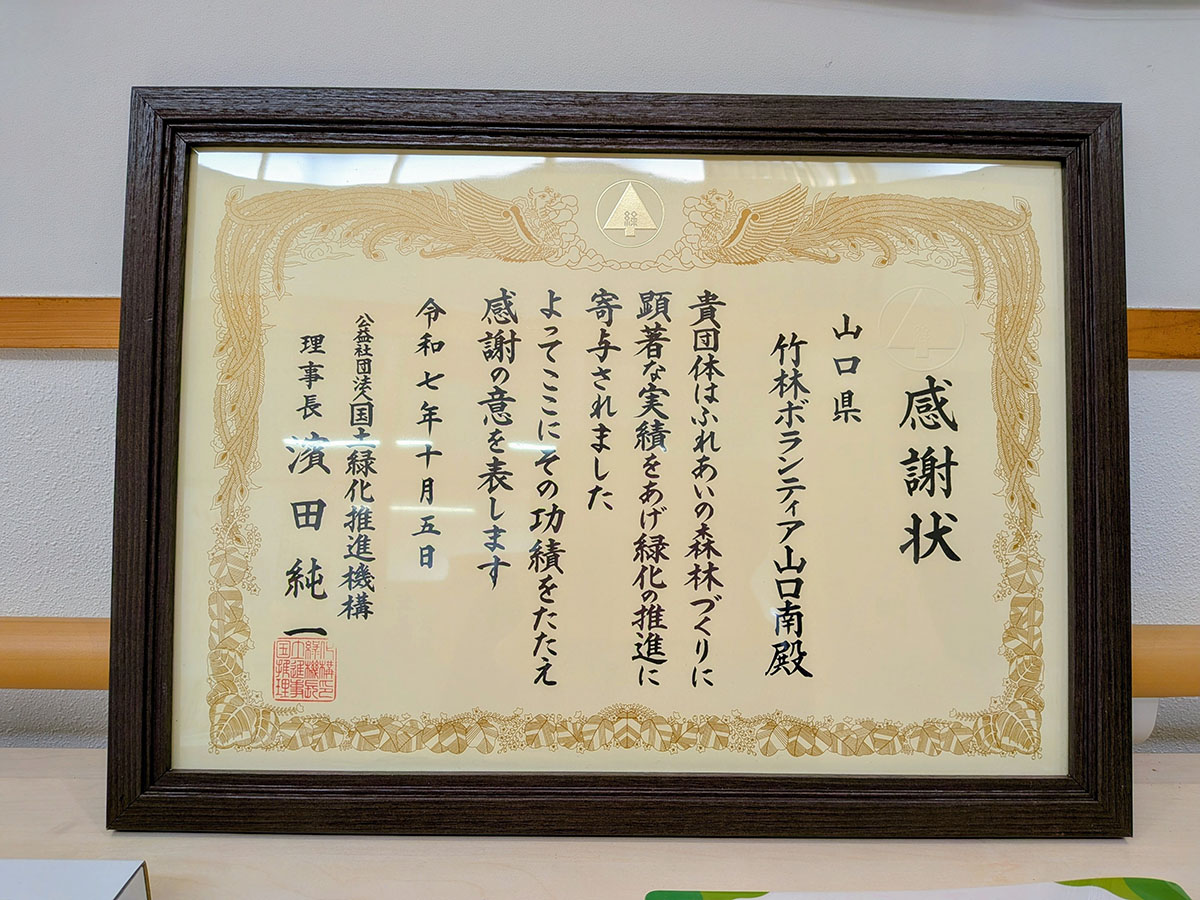
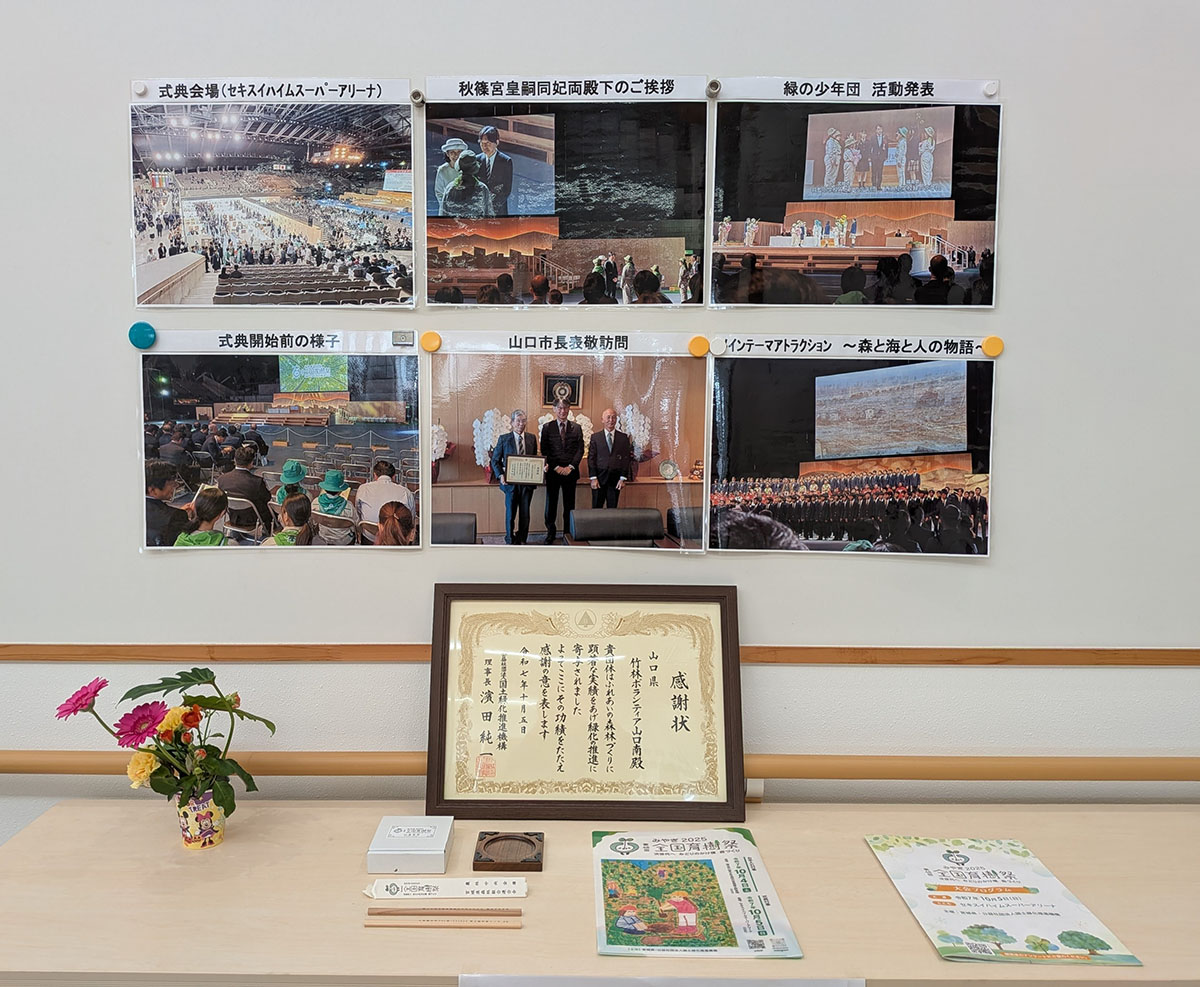
In recognition of these volunteer activities, we received a letter of appreciation at the 48th National Tree Care Festival (Miyagi Prefecture).
Schedule of Annual Events
| Dates | Event |
|---|---|
| January 1 | New Year’s Day The first sunrise of the year |
| February 3 | Setsubun party & Star Festival |
| March 21 | The spring equinox party |
| mid-March | Doshakaji hoyo |
| April 24–25 (March 20th and 21st of the lunar calendar) |
Odaishi mairi |
| mid-July | Kaisanki |
| August 13 | Sento-ya (Thousand Lantern Night) |
| August 16 | Obon |
| September 21 | The autumn equinox Autumn Equinox Memorial Service (Aki Higane) |
| December 13 | The Twenty Third Night |
| December 31 | The New Year’s Eve bell |
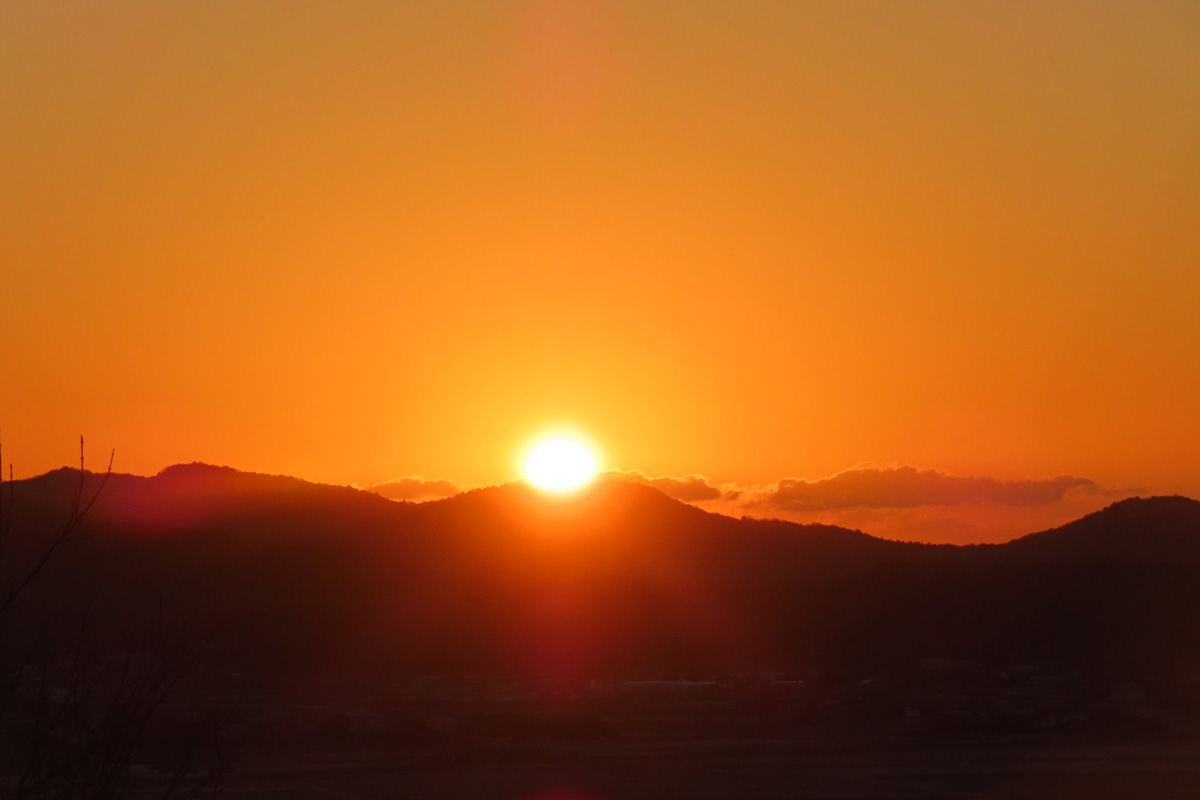
New Year’s Day The first sunrise of the year
Many people visit Mt. Asahi and greet the sunrise on New Year’s Day.
Setsubun party & Star Festival
Setsubun
Setsubun is on the day before the beginning of spring.
Since ancient times, it has been believed that it’s easy to contract evil spirits when the seasons change. On this day, our temple holds an event to dispel such evil spirits and to pray for good health.
Star Festival (Star Memorial Service)
It is believed that each person belongs to a star of birth and the star controls our destiny.
In addition, the star that rotates each year is said to influence fortune and misfortune of the year.
Since the cycle of these stars changes at Setsubun, we hold the Star Festival at this important turning point to improve the movement of the stars for the coming year.
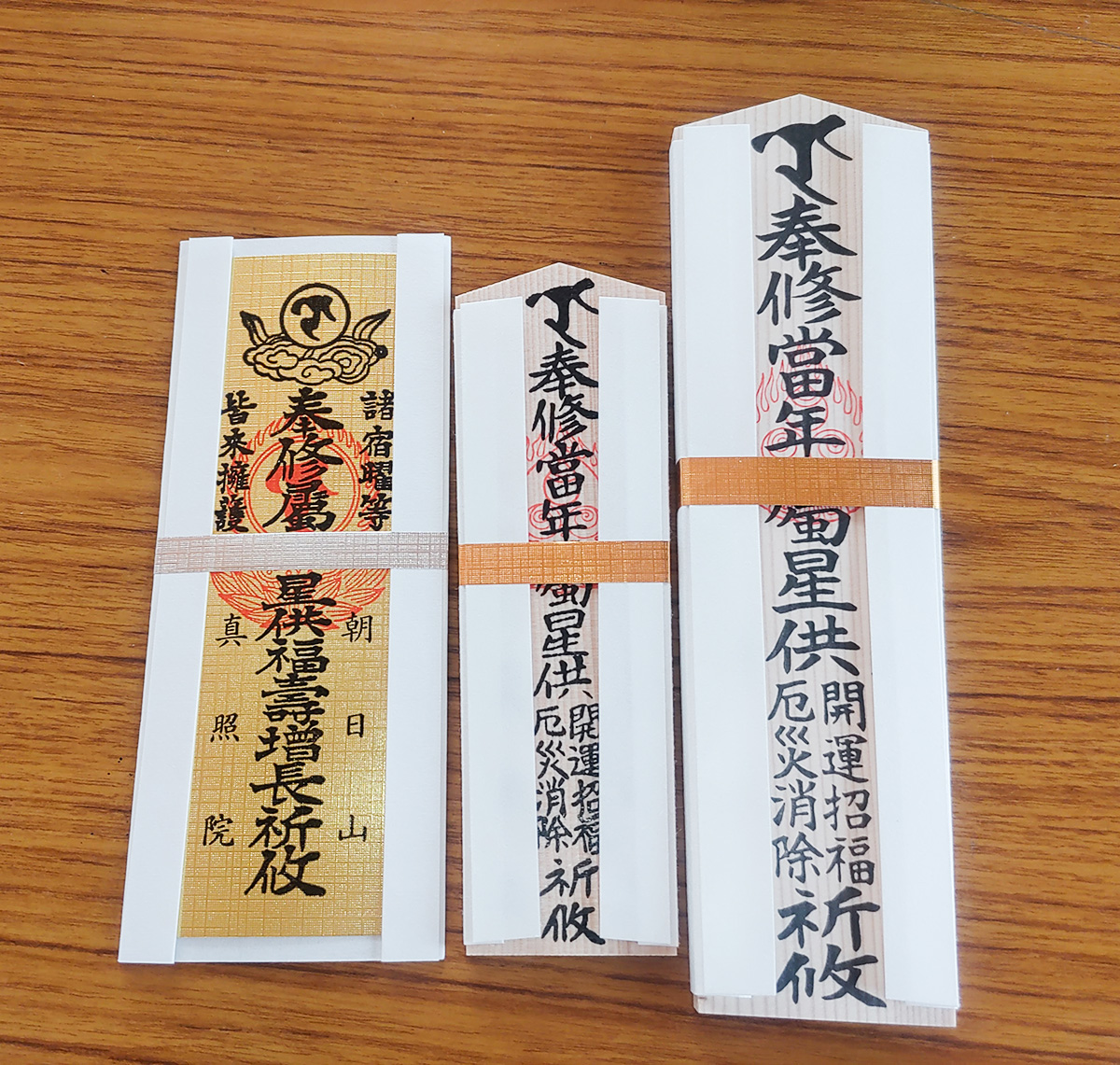
At Shinshoin, after the memorial service, we present talismans that have been blessed with prayers for peace for the year.
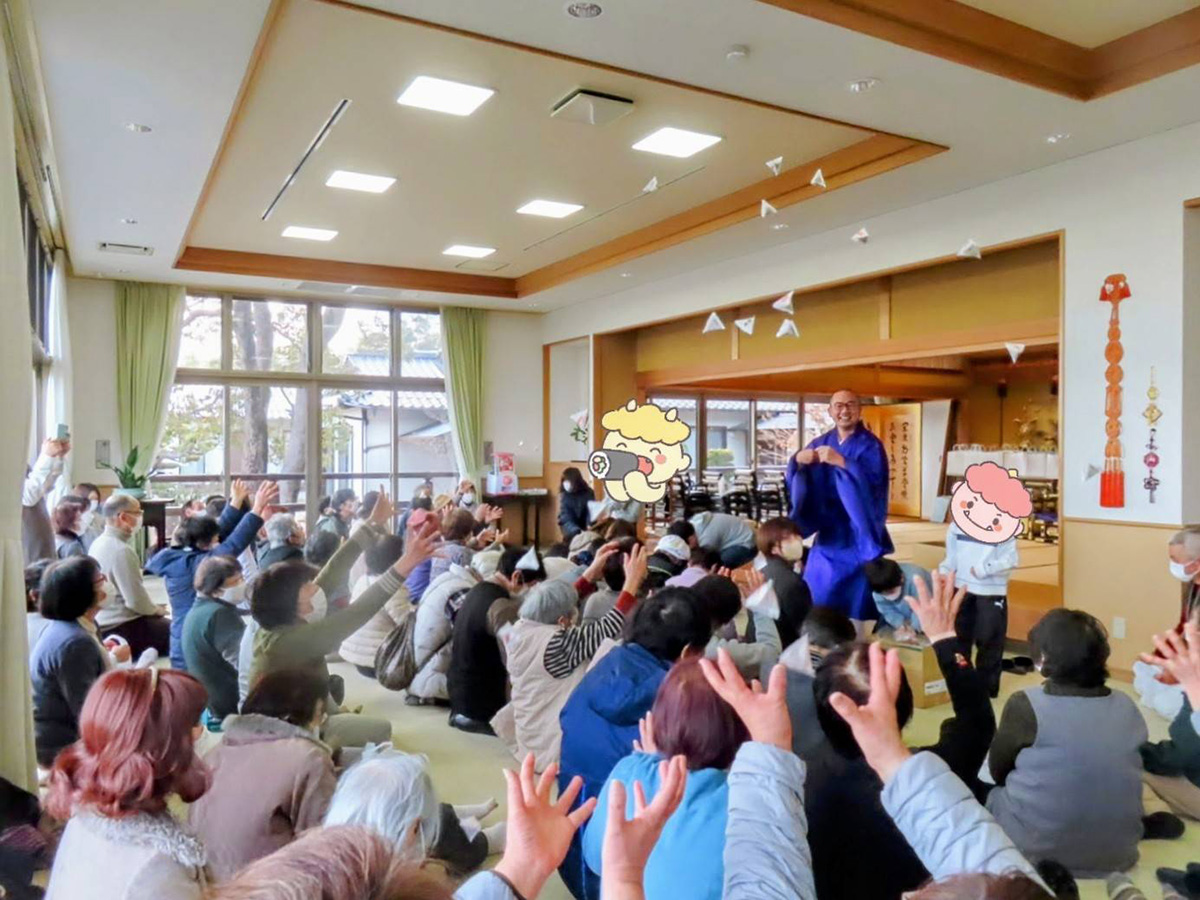
After the Service, we have a joyful time to welcome good fortune
Following the solemn Setsubun party and Star Festival , we invite everyone to enjoy a special time.
In the hall of Reimeiden, good fortune will come down. Please join us.
The spring equinox party
The spring equinox period lasts for seven days in total: three days before and after the vernal equinox day.
This period is regarded as an important time to offer memorial services for our ancestors.
At Shinshoin, the spring equinox party is held on the central day of the spring equinox.
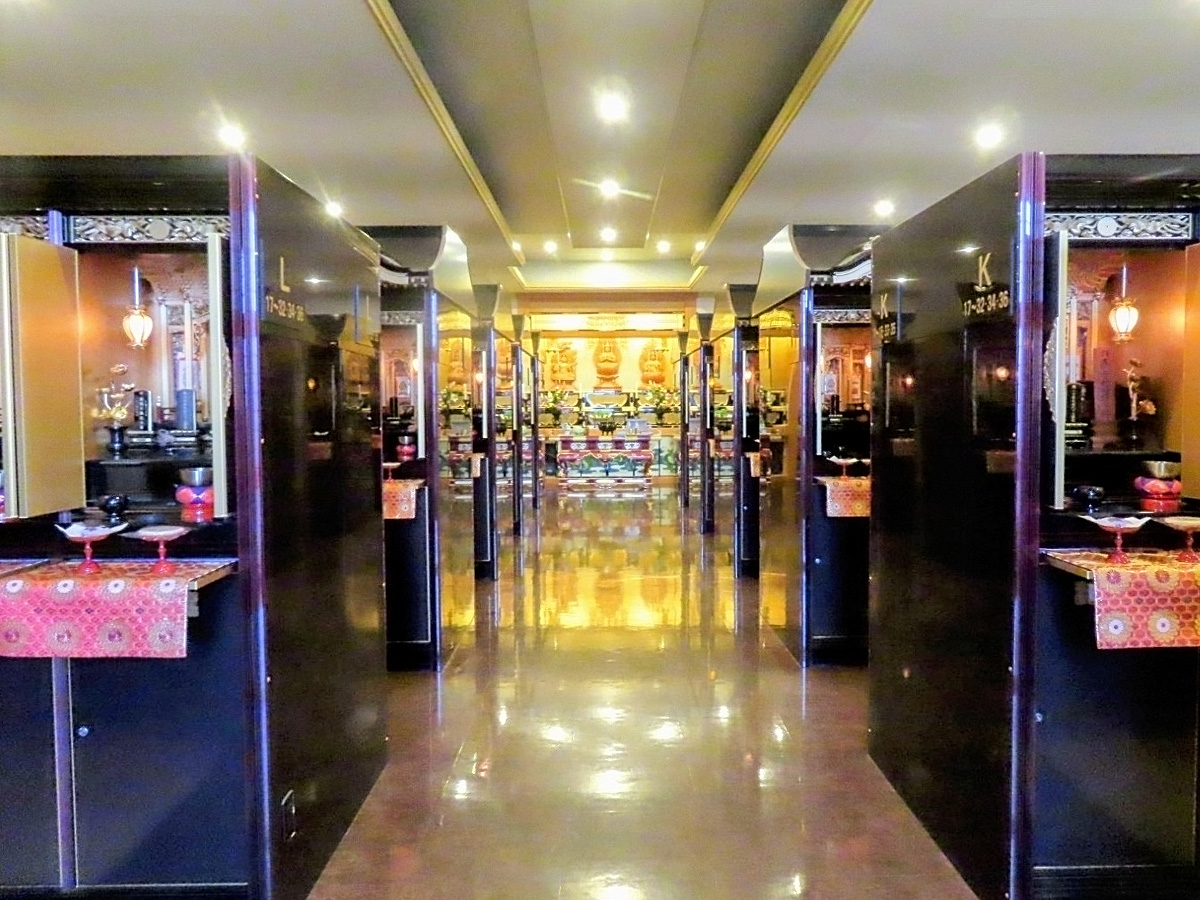
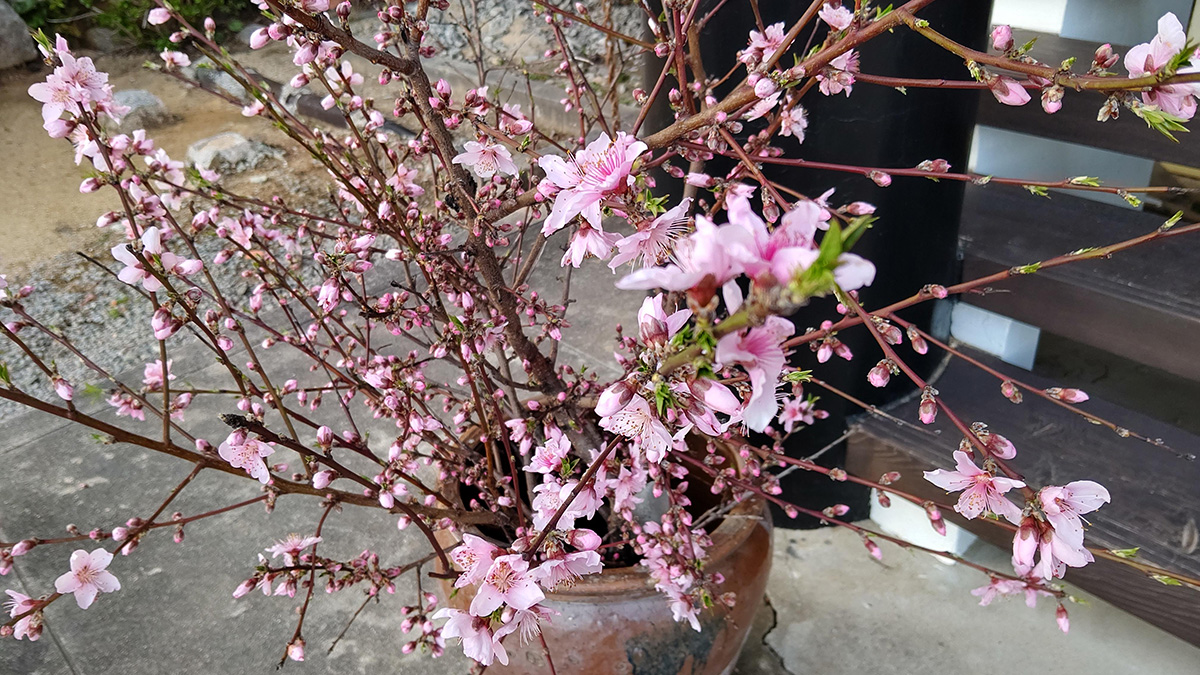
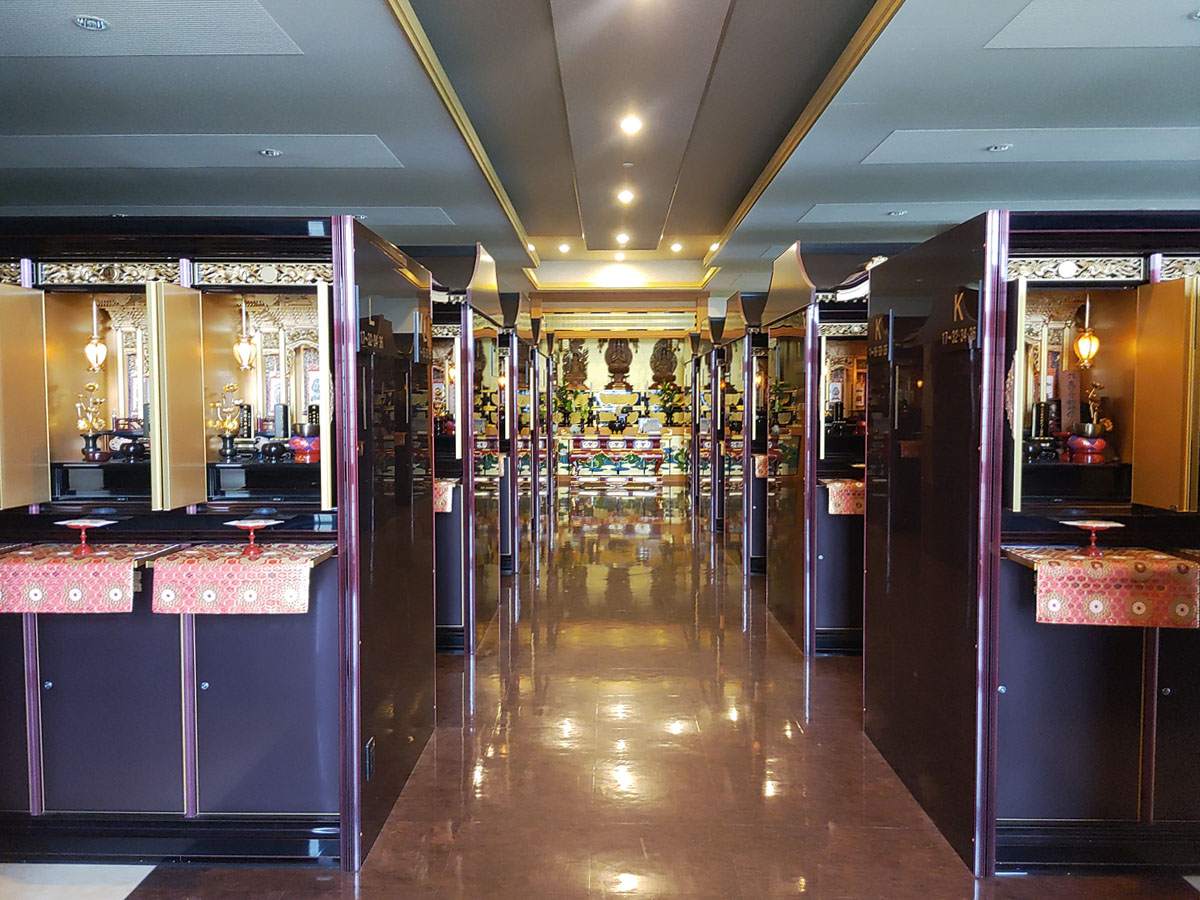
During this time, botamochi, which are traditional sweet rice cakes offered during the spring equinox are placed on each family’s Buddhist altar in Reimeiden.
Doshakaji hoyo・Segaki hoyo (Buddhist Memorial Service)
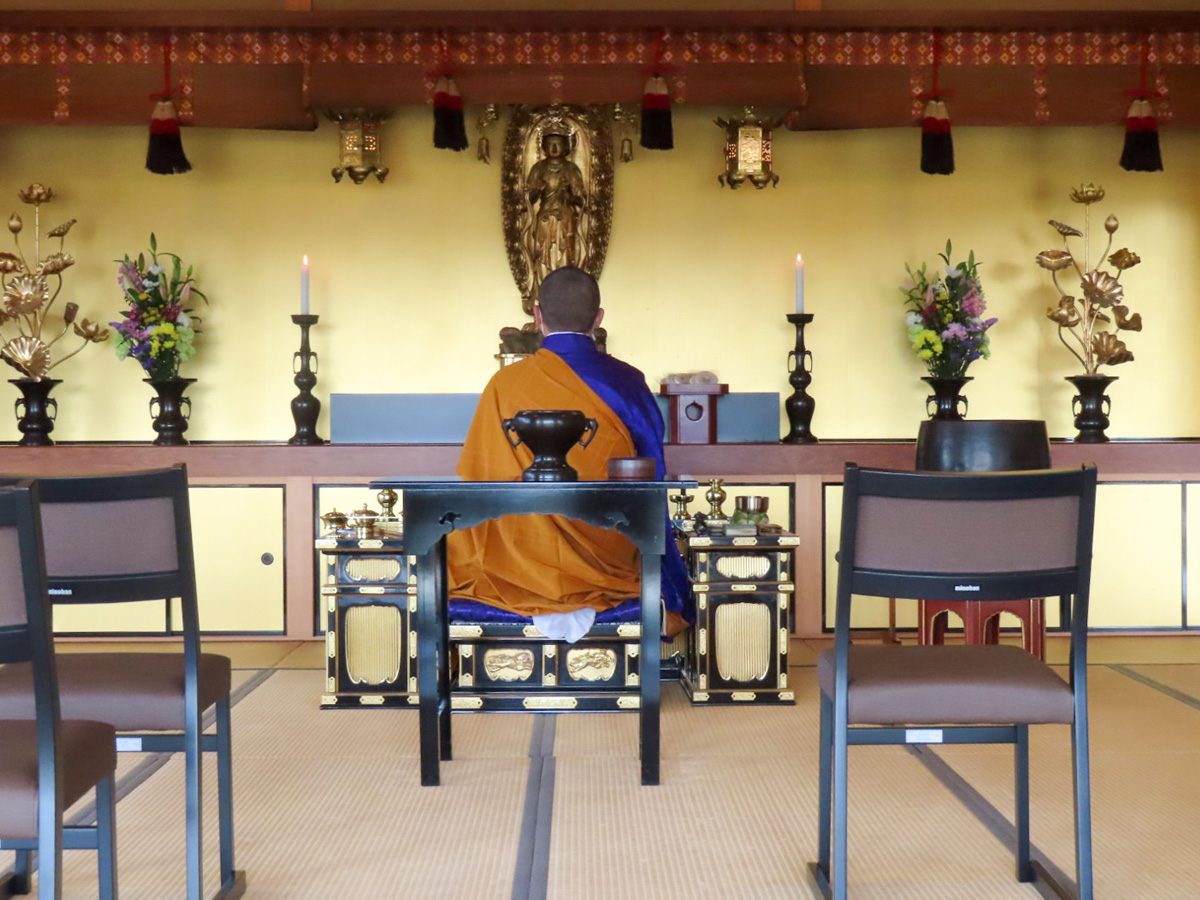
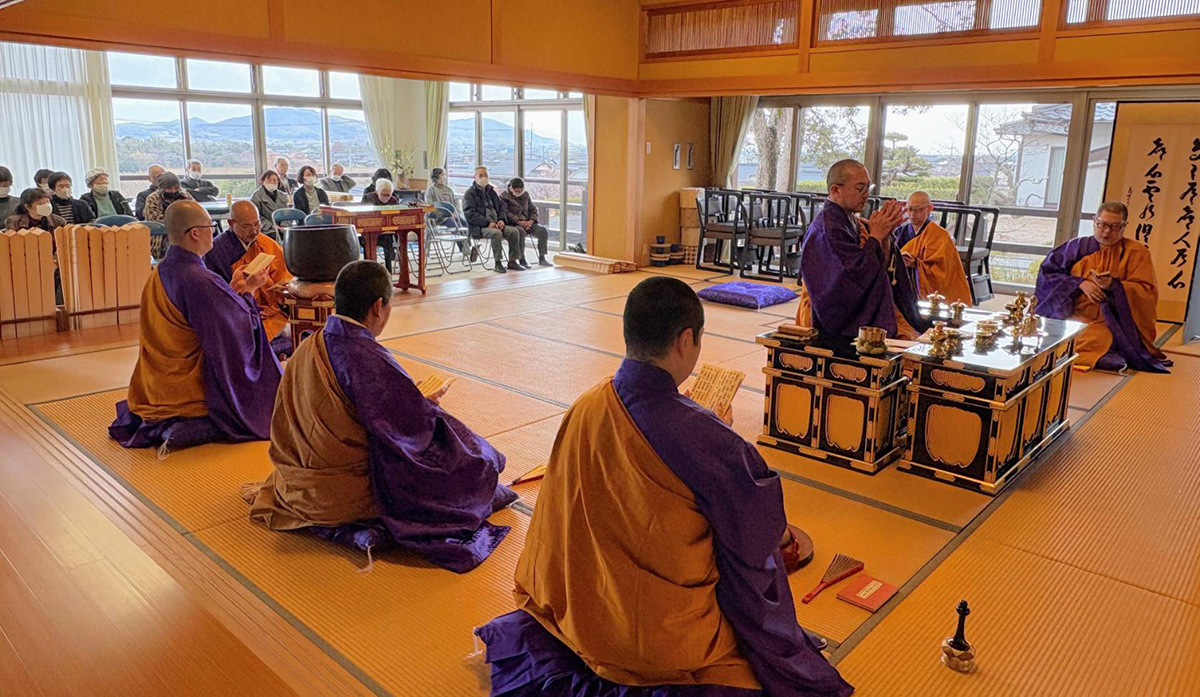
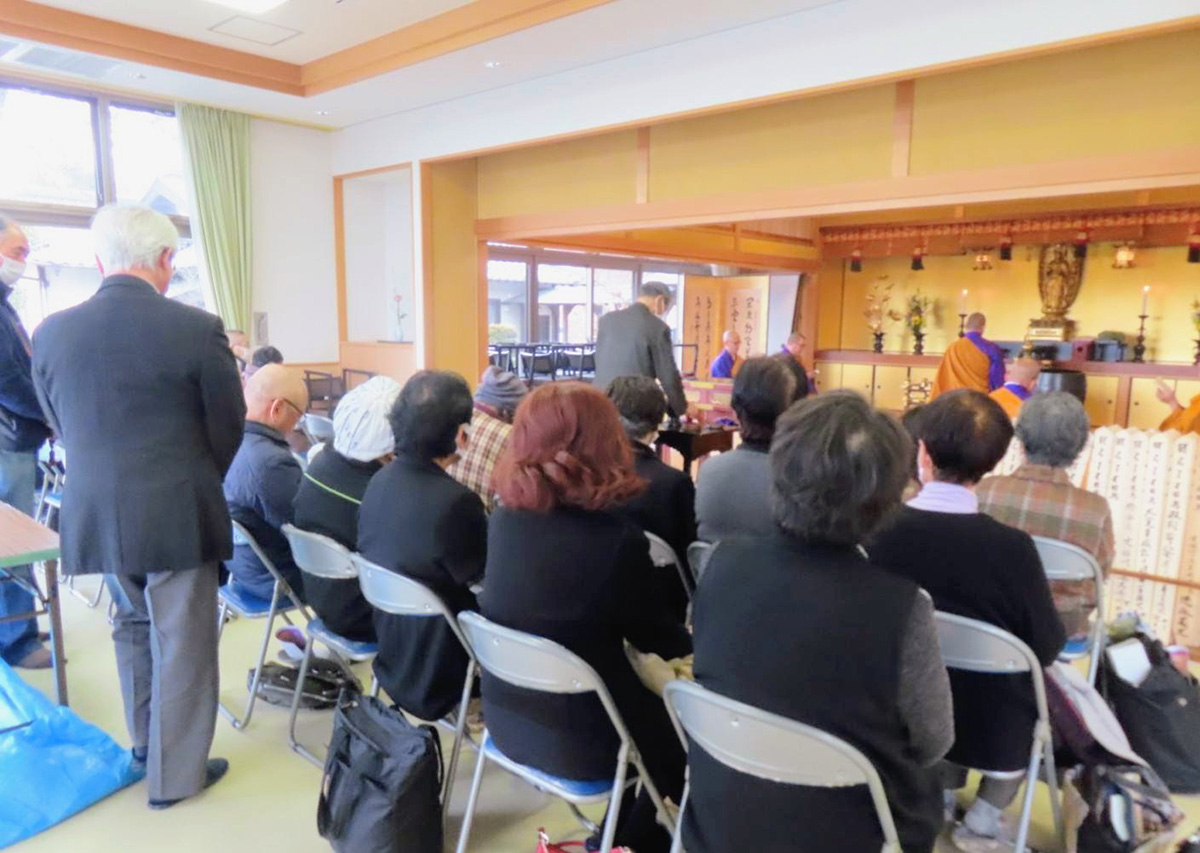
Doshakaji hoyo is an important Buddhist rite in which soil is consecrated to hold a memorial service for the deceased, ancestors and family graves.
While chanting the Komyo Shingon, we imbue the soil with prayers for the deceased and consecrate it.
The consecrated soil is distributed to worshippers.
At Shinshoin, we will also perform a Segaki hoyo.
Odaishi mairi
- Dates
- March 20th and 21st of the lunar calendar
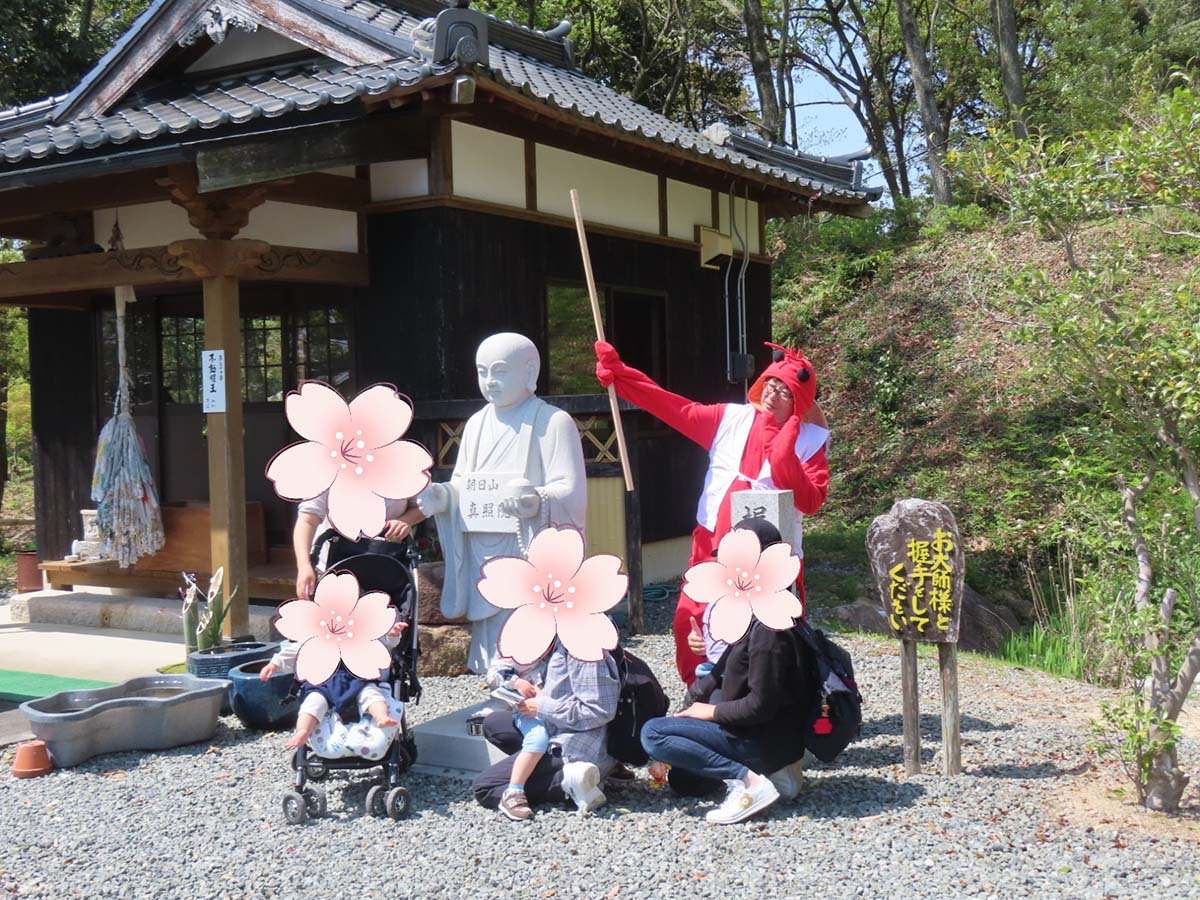
Known for its long history after The Shikoku 88 Sacred Holy Places, The Aio 88 Sacred Holy Places is a traditional pilgrimage with temples and stops located mainly in the Aio area of Yamaguchi City and the neighboring Aio Futajima area.
The Aio Odaishi mairi is held after the anniversary of Kobo Daishi’s death that he entered eternal meditation at Mount Koya on March 21st of the lunar calendar. On March 20th and 21st of the lunar calendar, hospitality offerings are provided at each stop.
We can visit and pray while enjoying the natural beauty of the sea, mountains and also form warm connections with members of the local community.
There are four stops in Shinshoin: No. 54, No. 58, No. 64, and No. 69.
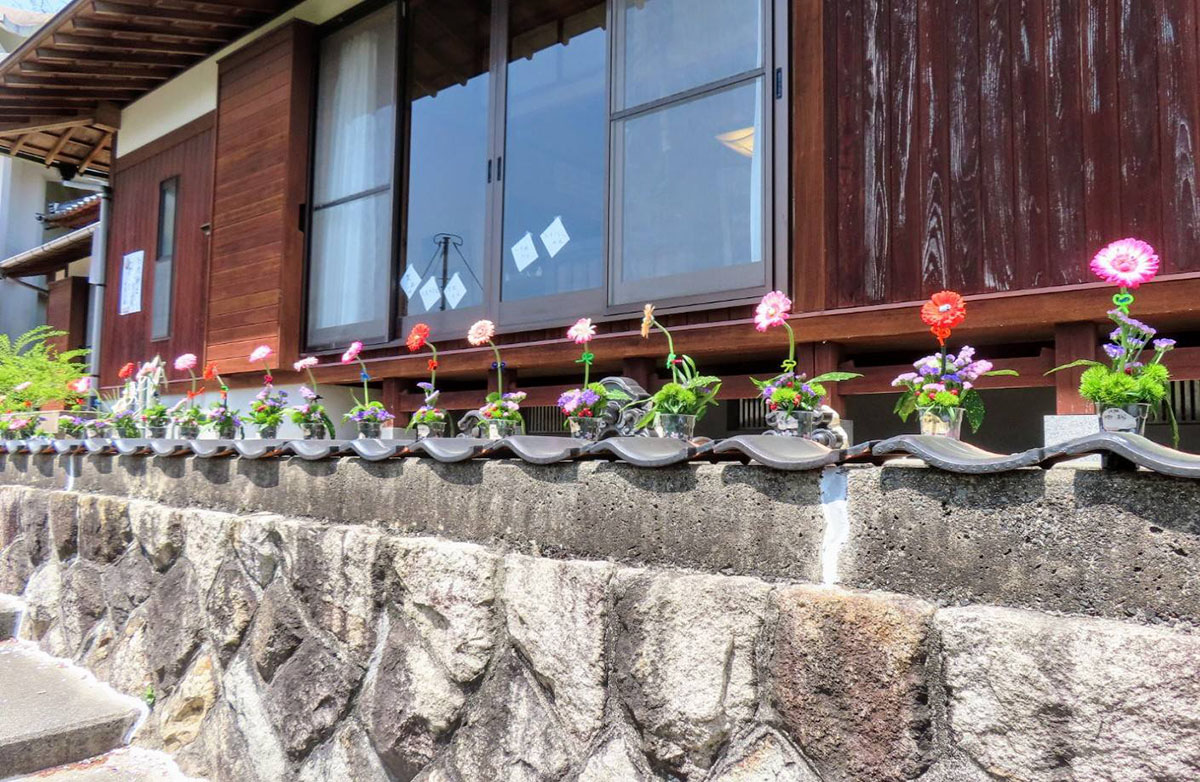
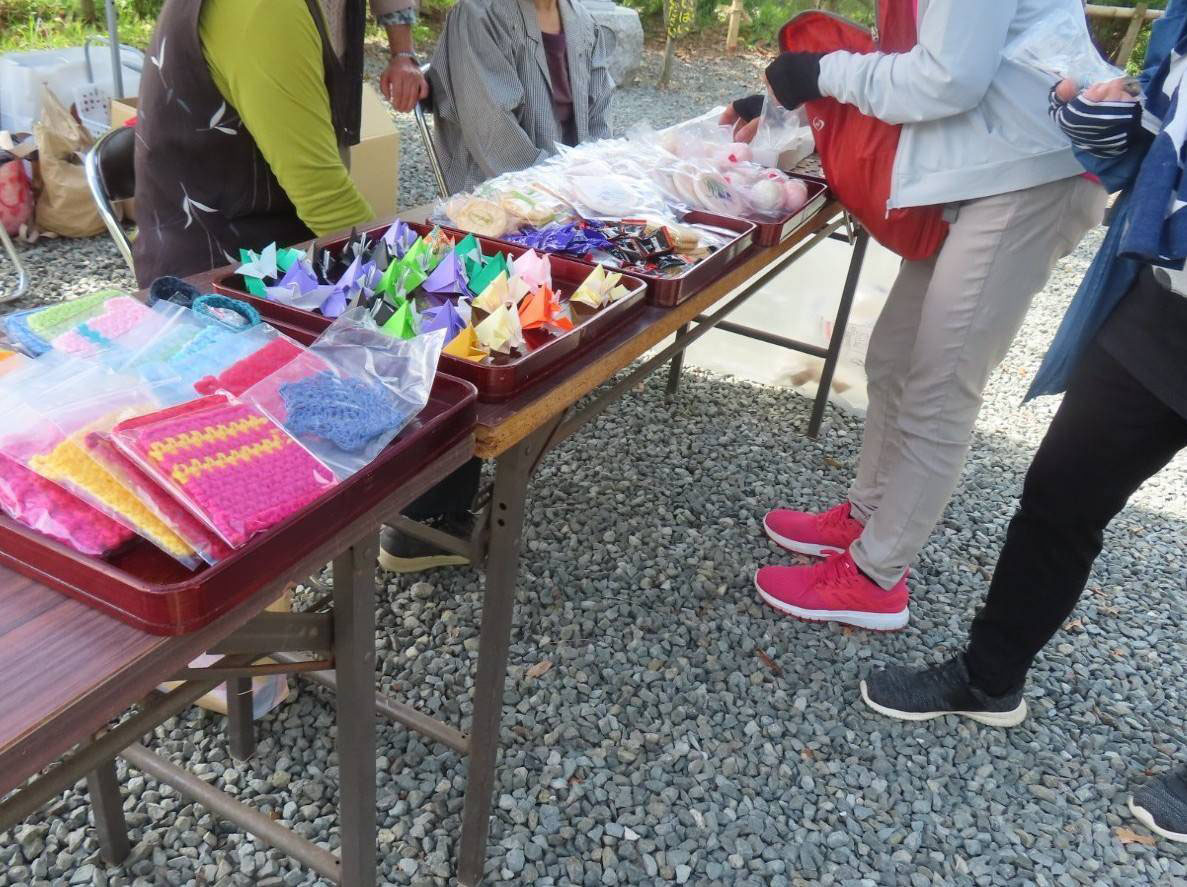
Hospitality offerings are provided in front of the Daishi Hall.
Kaisanki・Segaki Kuyo
Audio will be played, so please adjust your volume accordingly.
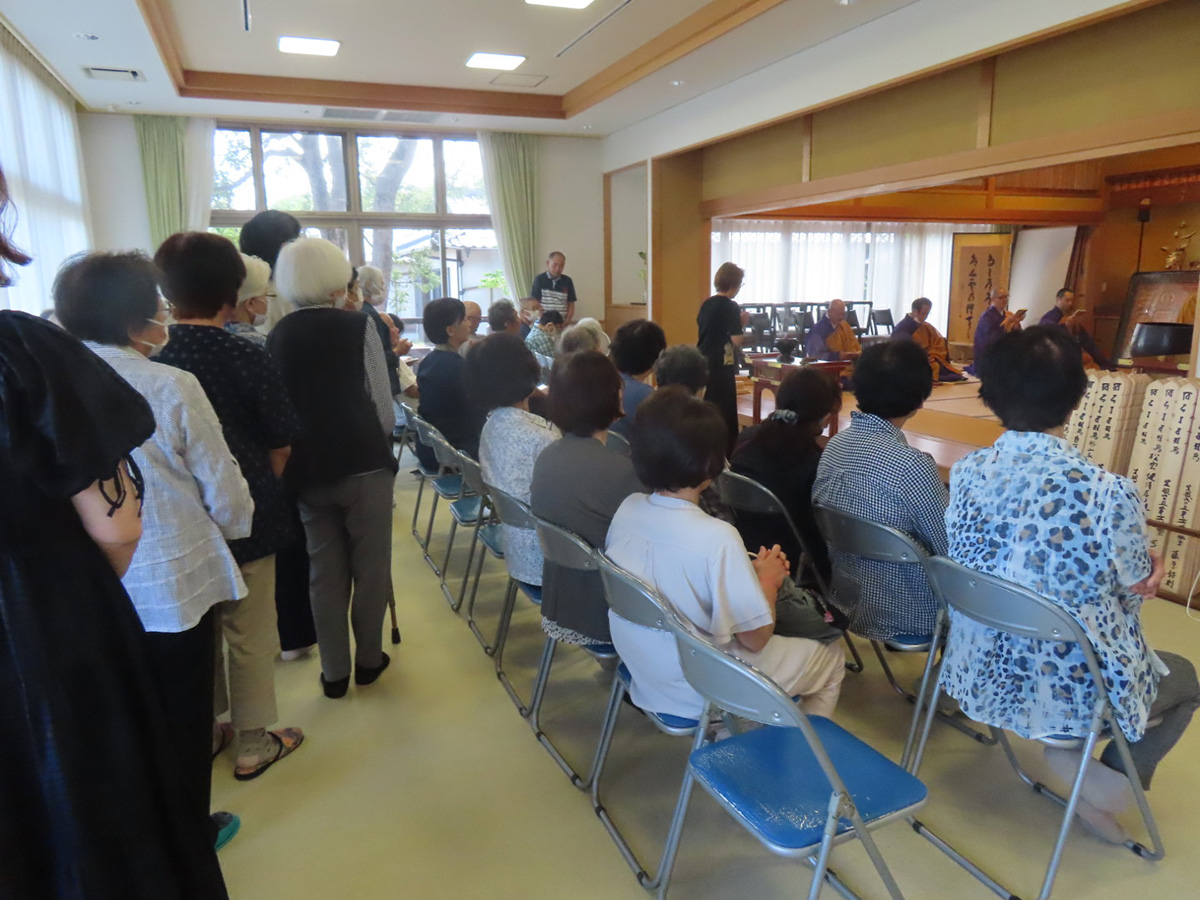
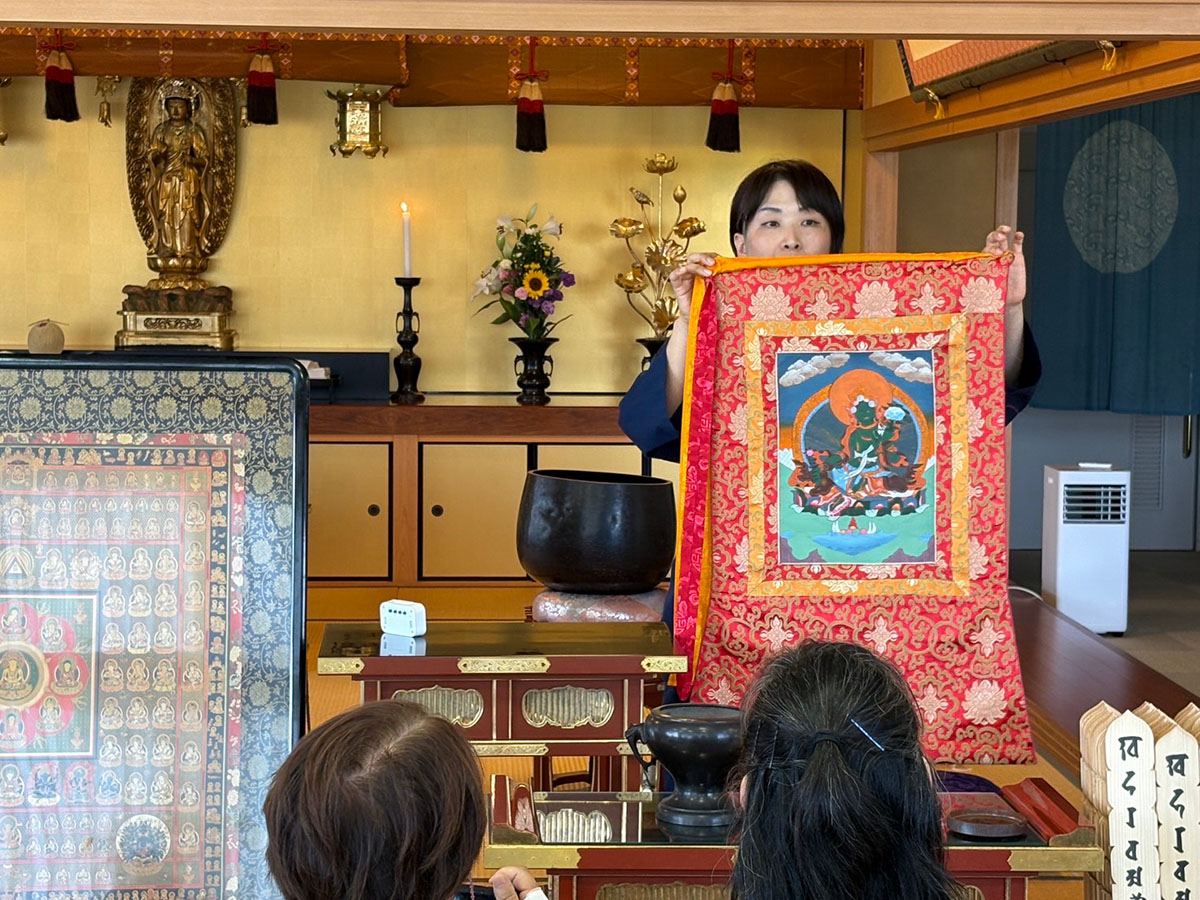
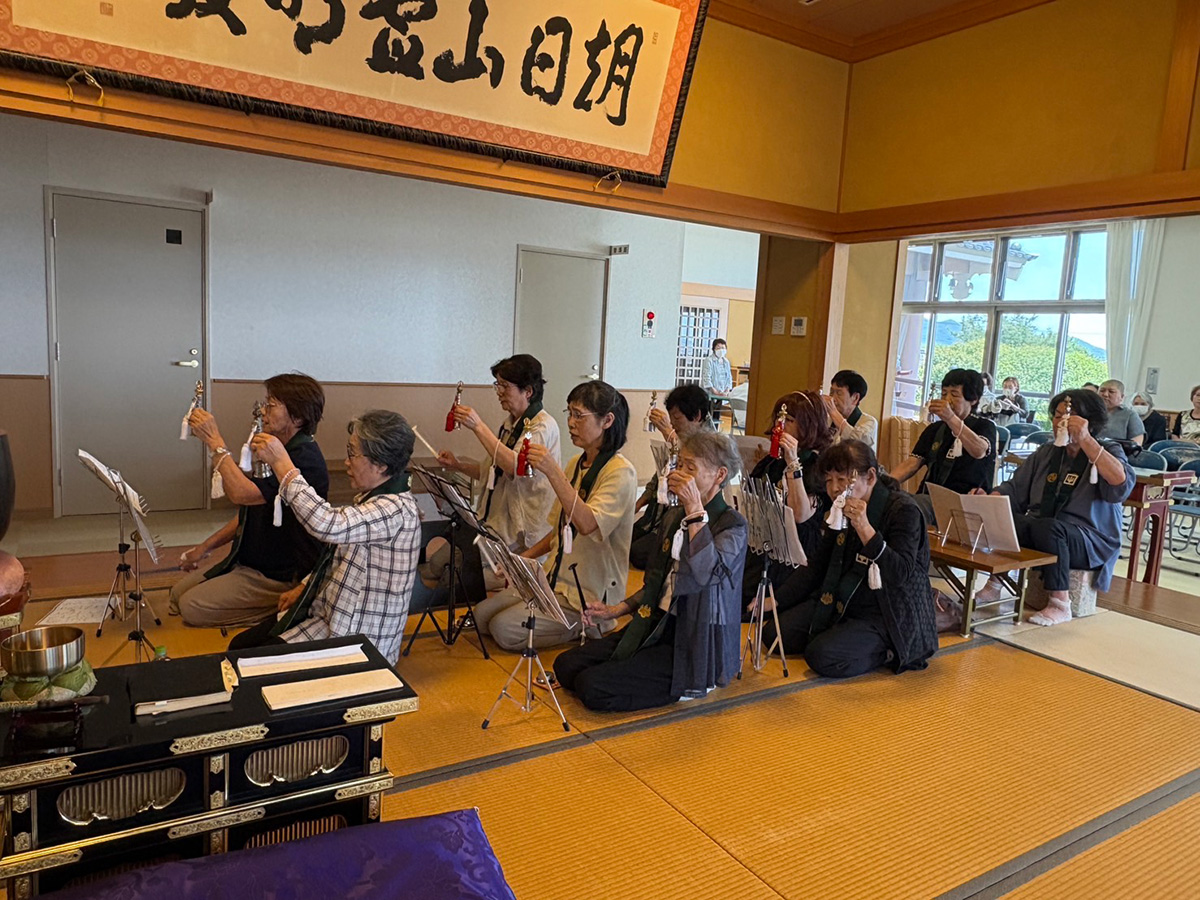
The purpose of the Kaizanki Memorial Service is to offer merit in remembrance of the founding monk of Asahisan, also, to honor and extol his virtues.
At Shinshoin, the Segaki Kuyo Memorial Service is conducted together with Kaizanki.
Sento-ya (Thousand Lantern Night)
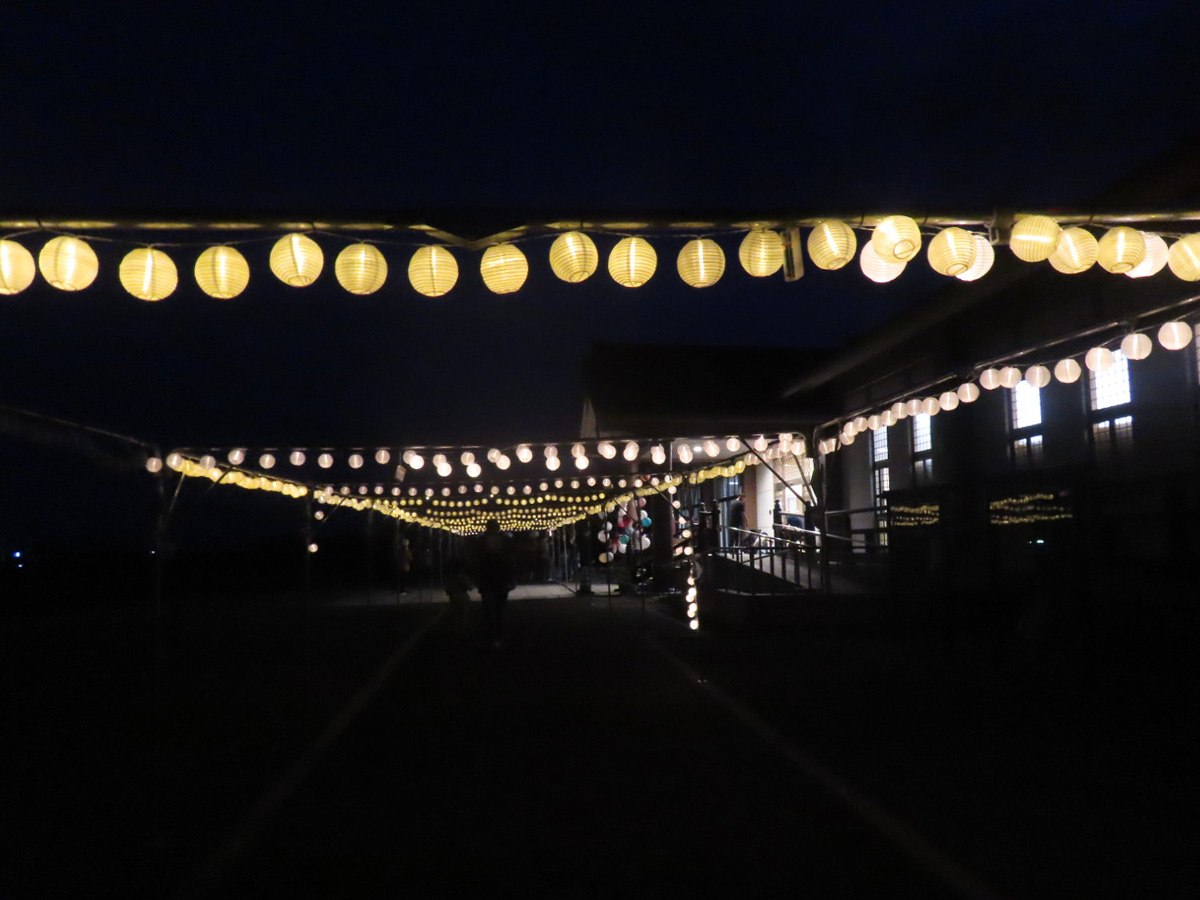
August 13, Obon Welcoming Fire
A lot of lanterns are lit in front of Reimeiden.
Obon Memorial Service
- Time
- From 7:00 p.m.
The Obon memorial service is conducted solemnly.
We read aloud the names of each of the supporting members of a Buddhist temple and we respectfully offer memorial service for the spirits associated with each household.
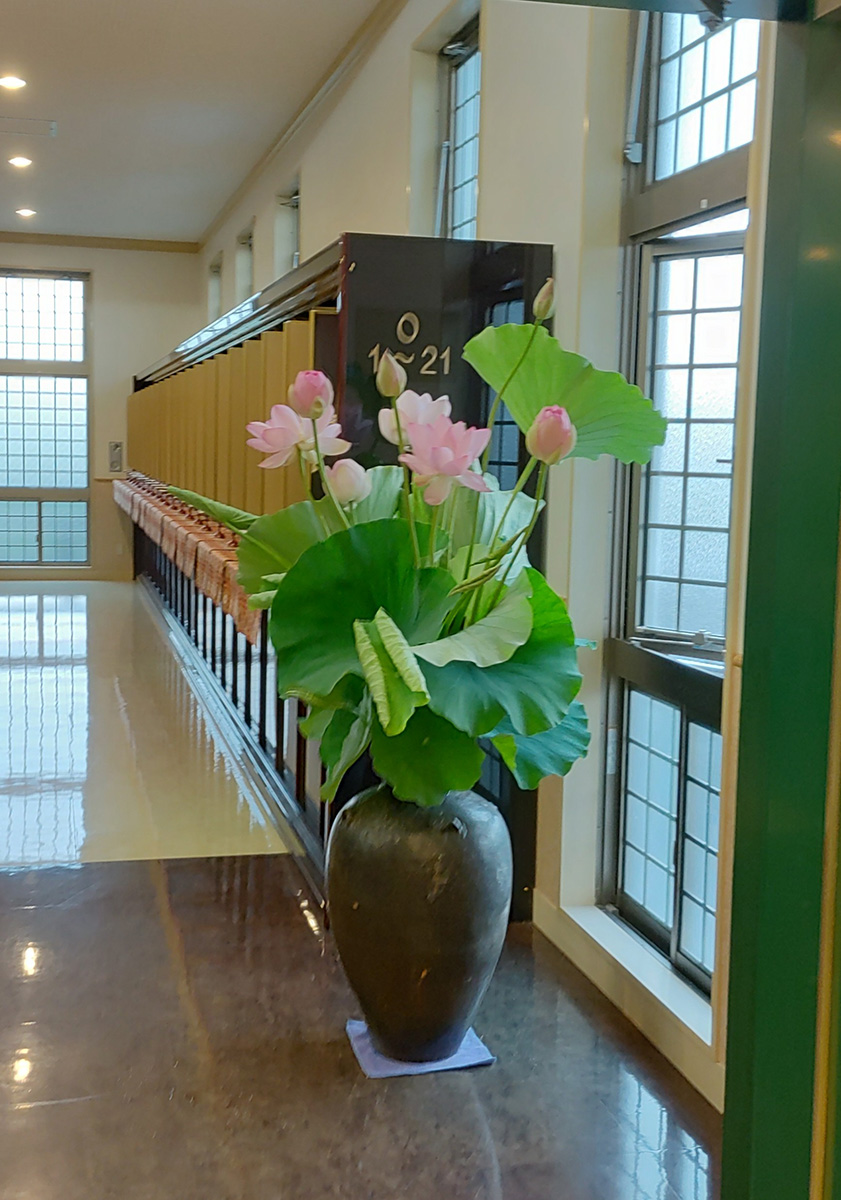
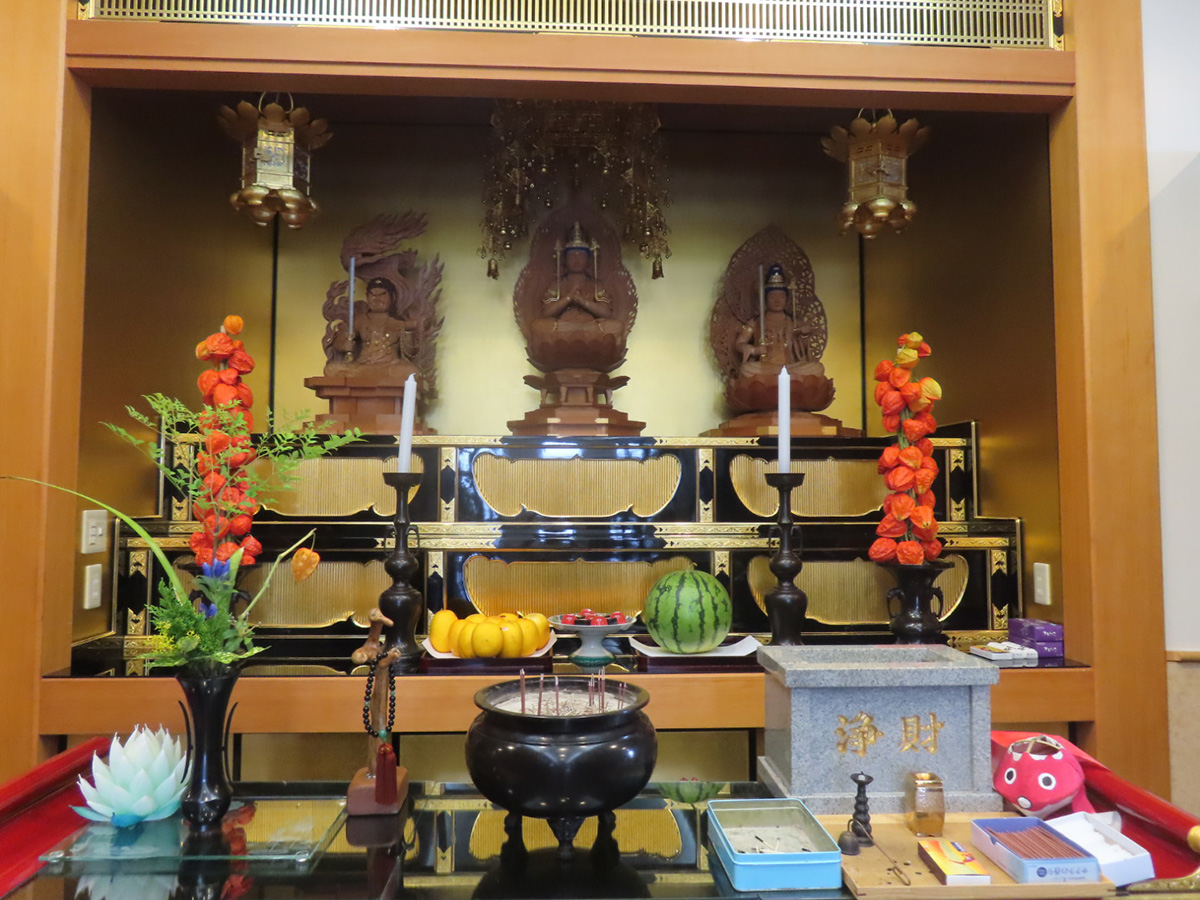
Both the Main Hall and Reimeiden are beautifully decorated with lotus flowers, Chinese lantern plants and the Pure Land is broadened.
Many visitors spend time quietly and meaningfully with their returning ancestors and the spirits to whom they are connected on Obon. We sincerely look forward to welcoming you.
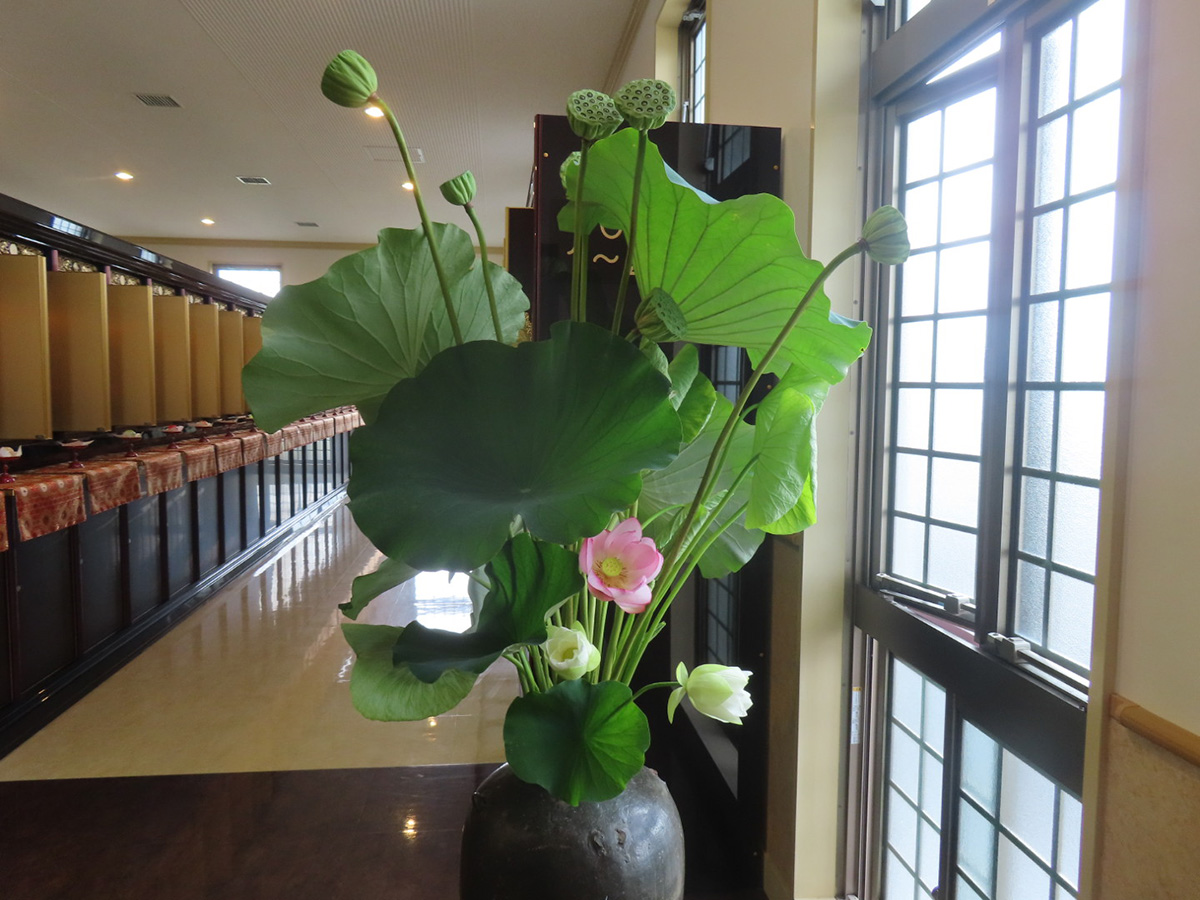
Obon(August 13 to 16 in Western Japan)
Obon is a Buddhist event held to welcome and honor the spirits of our ancestors.
In Japan, it is believed that the spirits of the deceased return temporarily to this world during this period, and everyone offers prayers with feelings of "welcome home" and "thank you."
It’s an important time to visit a grave, decorate a lantern, offer something the deceased loved and see our families and relatives.
The origins of Obon trace back to a "Urabone".
According to Buddhist tradition, Mokurensonja, a disciple of the Buddha, learned that his late mother was suffering in hell and saved her by offering a memorial service for her.
Based on this story, people came to believe that offerings to ancestors were important and "Urabone" began to be observed during the Nara period in Japan.
Over time, the fusion of Buddhism and ancestral worship led to the emergence of Obon.
"UraObon is a very important annual event for the Japanese people, born from a fusion of the Buddhist Urabone and Japan’s ancestor worships.
The autumn equinox
The Autumn Equinox Day on September 23 is the day when the sun rises exactly in the east and sets exactly in the west.
It is believed that on this day, the world in which we live (Shigan) and the afterlife of enlightenment (Higan) come closest to each other, and our thoughts and prayers travel easier to the spirits of our ancestors and the deceased.
The one week centered on the Autumn Equinox Day is a time to express gratitude to our ancestors, deceased and to offer memorial prayers.
During the autumn equinox, ohagi, which is named after the autumn flower "hagi", one of the seven flowers of autumn, is offered to the deceased and also shared with others.
The red color of azuki beans is believed to exorcise evil spirits and they are offered with the wish of protecting the spirits of the departed from calamity.
Ohagi are also placed on each family’s Buddhist altar in Reimeiden.
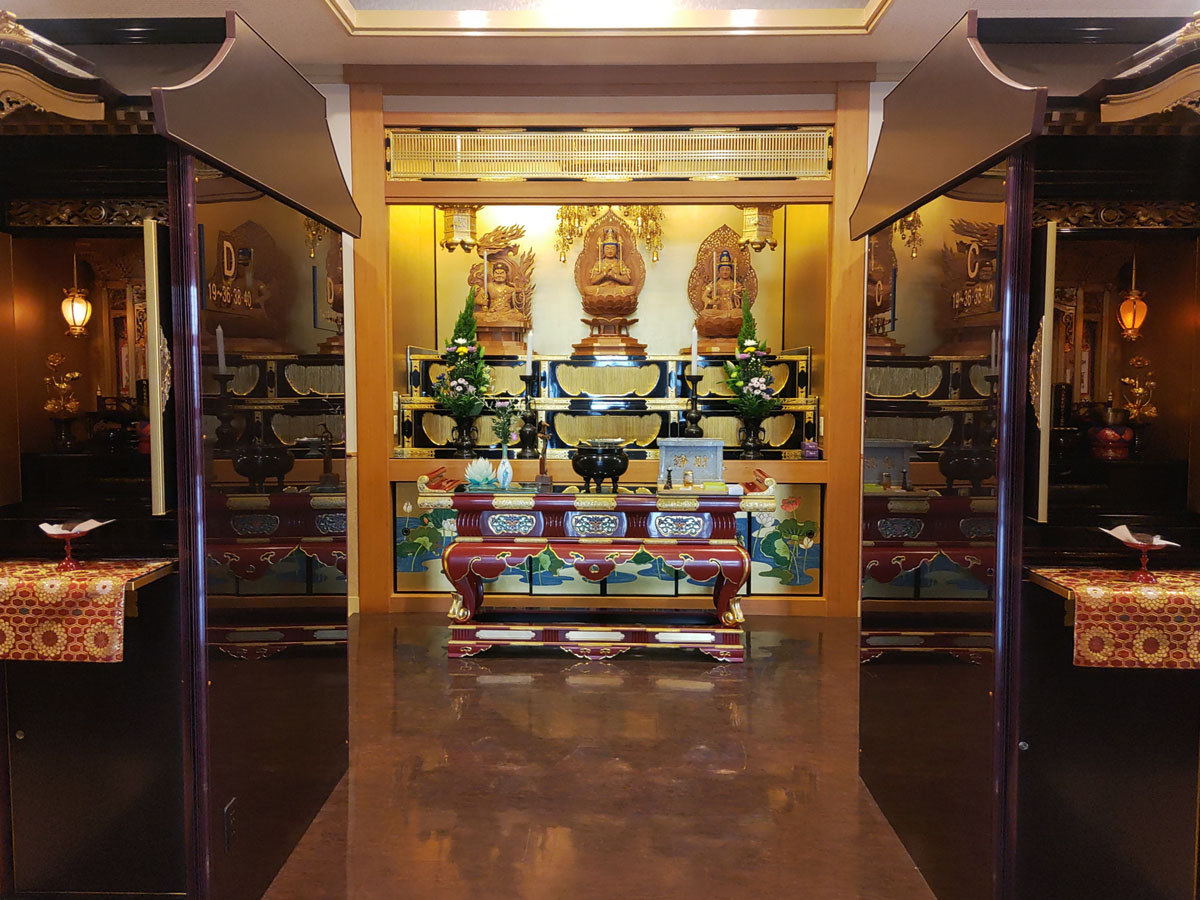
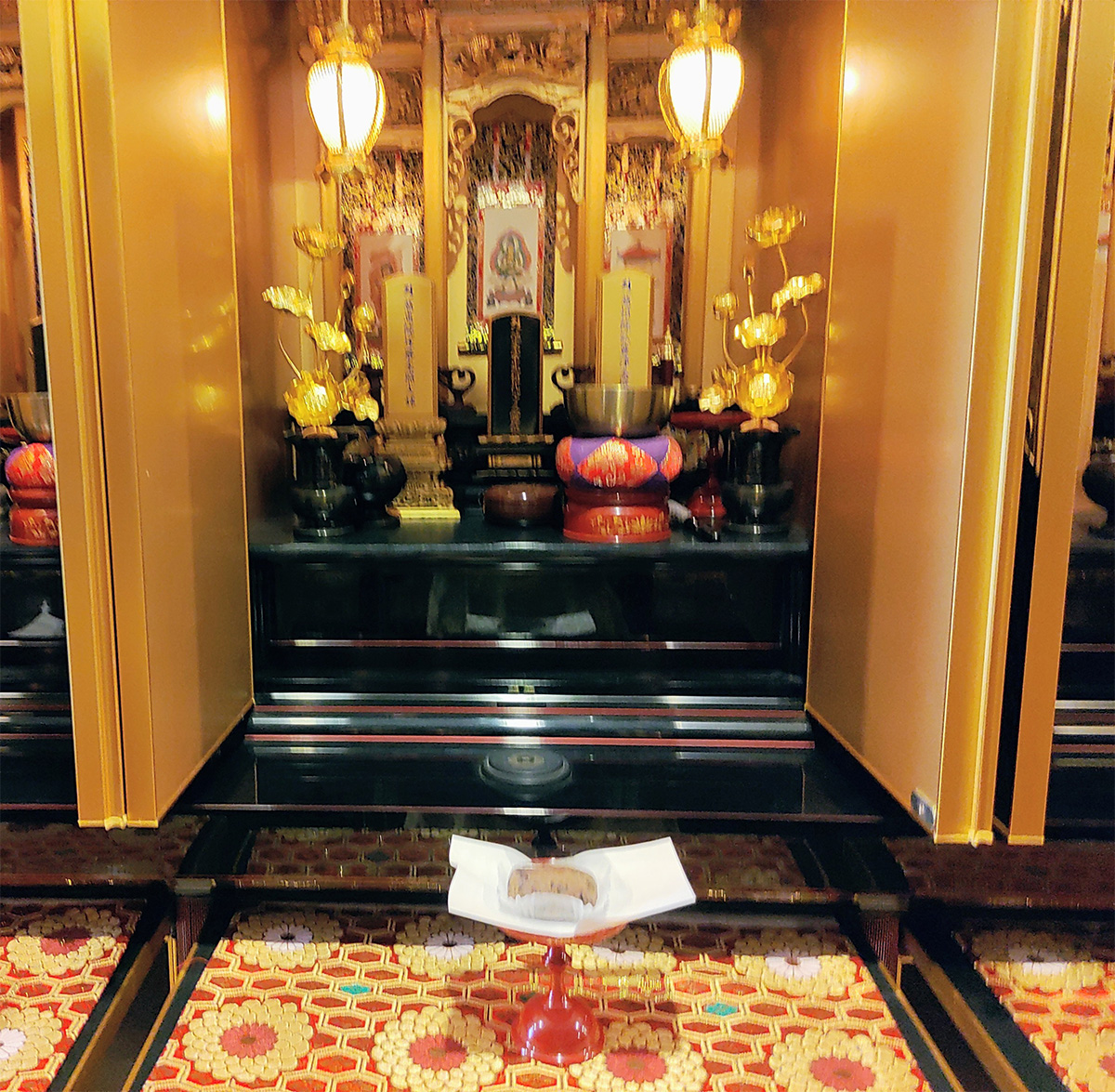
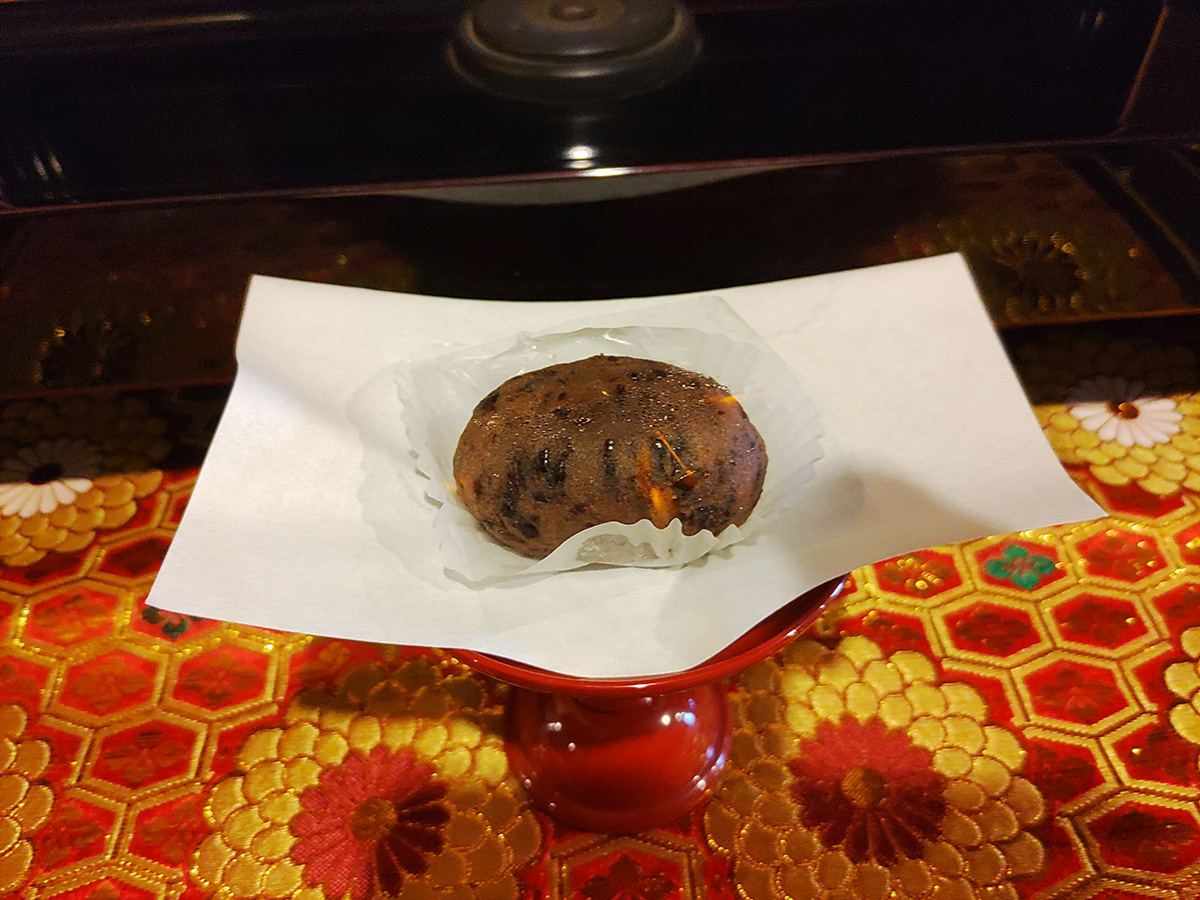
Autumn Equinox Memorial Service (Aki Higane)
September 23, the Autumn Equinox Day, is the middle day of the Autumn Equinox.
On this day, the sun rises exactly in the east and sets exactly in the west, and it is believed to be the day when this world and the world beyond (Higan) is in the west, are closest to one another.
On this day, we feel nostalgic for our ancestors and the deceased and offer memorial prayers.
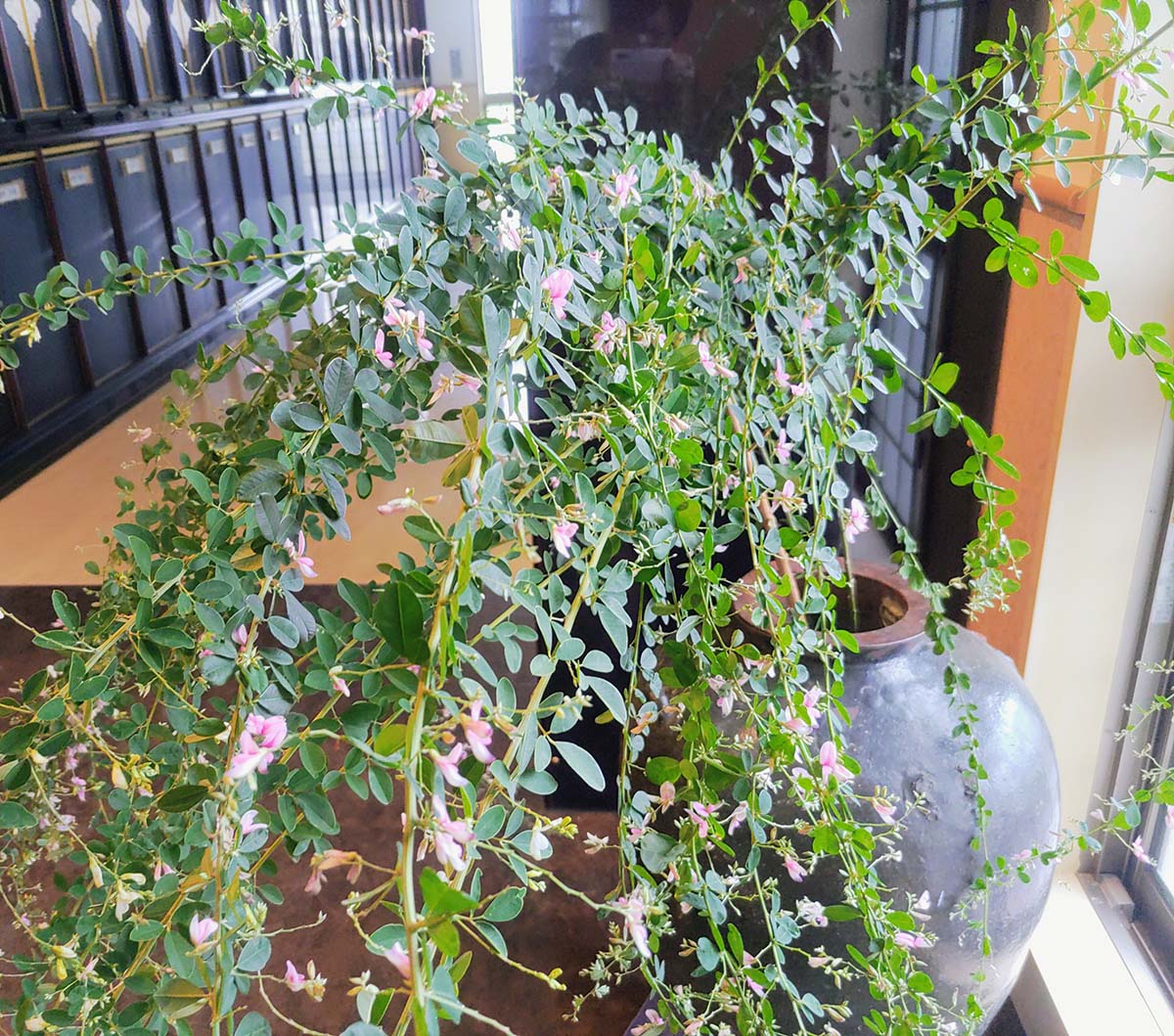
At the Reimeiden, bush clover is placed in a vase, reflecting the autumn season.
Audio will be played, so please adjust your volume accordingly.
Audio will be played, so please adjust your volume accordingly.
The Twenty Third Night
The Twenty Third Night refers to the evening of the 23rd of the lunar calendar.
On this night, we wait for the moon to rise (Tsukimachi) and hold a festival featuring communal dining and entertainment. It is said that wishes may be granted by observing the moonrise.
Drawing on this tradition of "Tsukimachi" devotion, Shinshoin holds the event on December 13.
On this day, farmers who cultivate rice visit the temple to offer newly harvested rice in gratitude for the year’s bounty.
The New Year’s Eve bell
As a signal for seeing the old year out and the New Year in, the sound of the New Year’s Eve bell echoes throughout the village of Aio.
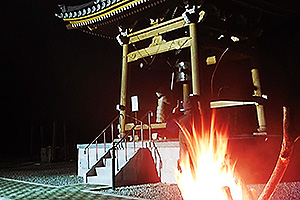
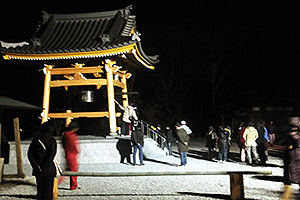
Many children come to join us as well.
Picking up acorn
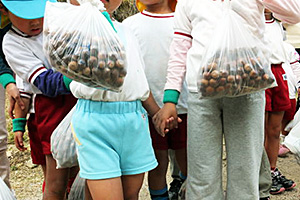
In autumn, a lot of kindergarten children come to gather acorns.
Whenever children visit, the temple grounds somehow feel rejuvenated, and it seems as if the many Buddhas are smiling with joy.
We are delighted when kindergarten children and elementary school students visit us on various occasions.
When the children wave goodbye and go home, we always put our hands together and say, "Thank you."
With the support and love of the community, Shinshoin is a place where people gather.